
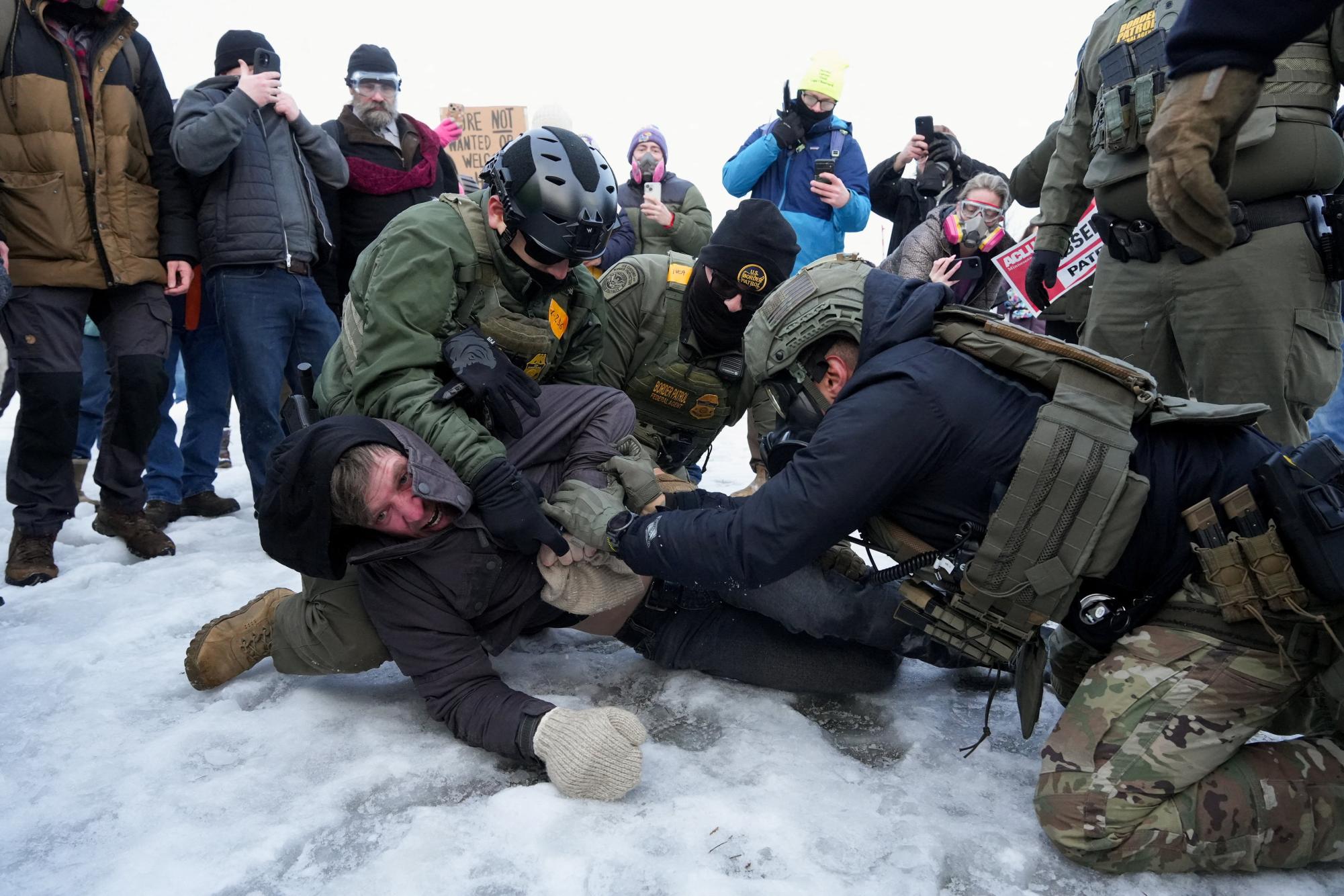

Immigration has once again become one of the most debated issues in the United States as new policy changes and court rulings continue affecting thousands of people across the country. Recent developments involving border enforcement, deportation, asylum processing, and immigration courts are not only shaping how laws are enforced but also raising larger questions about due process, government power, and the long-term effects on communities, schools, and the economy.
One major area of focus is immigration enforcement. Federal immigration authorities have increased enforcement efforts in certain regions, including expanded arrest operations and deportation actions. These efforts are especially in border states such as California, Texas, Arizona, and New Mexico, as well as major cities like Los Angeles, Houston, Chicago, and New York City. Enforcement is also
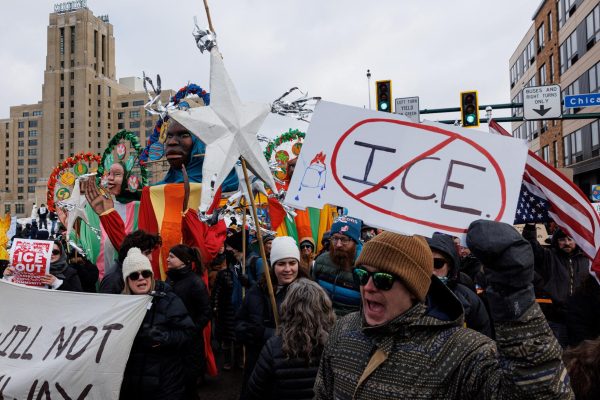
big in agricultural regions such as California’s Central Valley, where many immigrant workers have stable jobs. Supporters argue these efforts are necessary to secure the border and enforce immigration laws already in place. Critics say increased enforcement can create fear in immigrant communities, causing people to avoid schools, hospitals, workplaces, and even legal proceedings due to fear of detention. Many also fear that immigrants are being taken wrongly without due process.
A recent and controversial development involves immigration courthouse arrests. May 17th 2026, a federal judge in New York, P. Kevin Castel, blocked immigration officers from making most arrests inside or near certain immigration courthouses in Manhattan. The ruling came after concerns that individuals were being detained while attending required court hearings. The government attorneys acknowledged that officers had been relying on an incorrect interpretation of the policy to justify some of these arrests. The court ruled that this practice raised serious due process concerns because it discouraged people from appearing in court and doing so properly.
In another major case, ICE enforcement practices were challenged after an incident in Minnesota involving an immigration operation that led to criminal charges against an ICE officer for assault and false reporting. Investigators said evidence, including video footage, contradicted the officer’s original account of what happened. This situation, where a federal immigration officer faced criminal charges instead of only internal discipline, sparked national debate about accountability within immigration enforcement agencies.
Court decisions in other states have also added to the controversy. In Colorado, U.S. District Jud
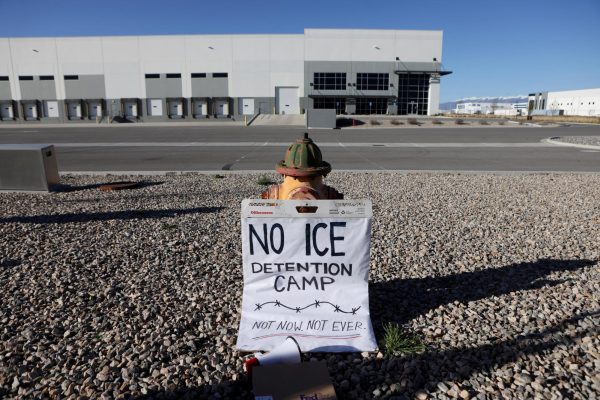
ge R. Brooke Jackson ruled that immigration officers had violated previous court orders involving warrantless arrests. The judge ordered additional training and stricter compliance measures, highlighting ongoing concerns that enforcement actions were not always following constitutional protections. These rulings show that courts are increasingly stepping in to directly limit or reshape how immigration enforcement operates.
Changes involving asylum and refugee processing have also become a major point of discussion. Some newer policies have increased screening requirements and extended review times for certain applications. While government officials argue that these changes improve security and ensure proper vetting, critics warn that longer delays may leave vulnerable families in dangerous situations as they wait for decisions. Immigration advocates also point to growing backlogs in immigration courts as a system-wide problem.
The effects of these changes extend far beyond legal debates. Economically, immigration plays a major role in industries such as agriculture, construction, healthcare, and food services, where immigrant workers help fill labor shortages, especially in the Central Valley. Stricter enforcement or slower immigration processing can reduce the available workforce, potentially increasing costs for businesses and consumers, harming America. On a global level, immigration policy also affects relations between the United States and other countries, particularly those involving deportation agreements, visa systems, and refugee resettlement programs.
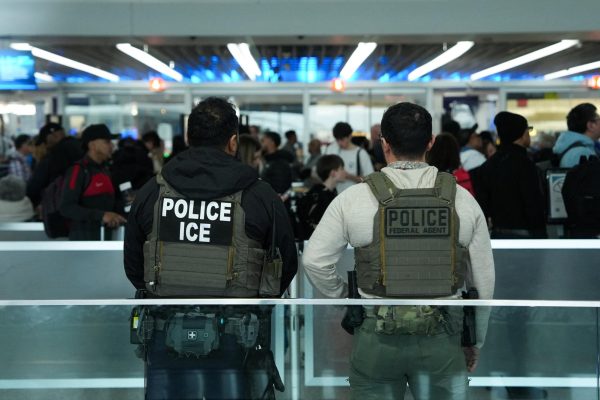
When asking students about their opinions on immigration and the ICE deportations happening in the country, many disagreed with what is happening in the U.S., saying, “What Trump is doing is wrong and significantly harming what America stands for.” While another student states, “families should not be separated, many of these cases are manipulated into making the victims look bad. Many of the people being detained aren’t criminals but good people. ”
For students and families, immigration is not just a political issue but a personal one. Many students have classmates or relatives directly affected by immigration policy changes. Increased enforcement and legal uncertainty can create stress and fear about family stability, especially in communities where immigration status varies widely among families.
As immigration policies continue to evolve and court cases move through the legal system, these developments are likely to shape not only how laws are enforced but also how communities trust the government. Moving forward, immigration is to be a very important part of the country, for better or worse.
![The new leadership at Dinuba Intermediate School (from left to right): Jessica Juarez (soon to be Jessica Chavez) - Learning Director, Rosa Carreon - Counselor, Hilda Osorio - Counselor, Gloria Valencia - Principal, and Micah Hiett - Learning Director. [Photo courtesy of Gloria Valencia]](https://emperorgrapevine.com/wp-content/uploads/2026/05/682710295_18557787079066828_5882969838312812831_n-900x1200.jpg)


