

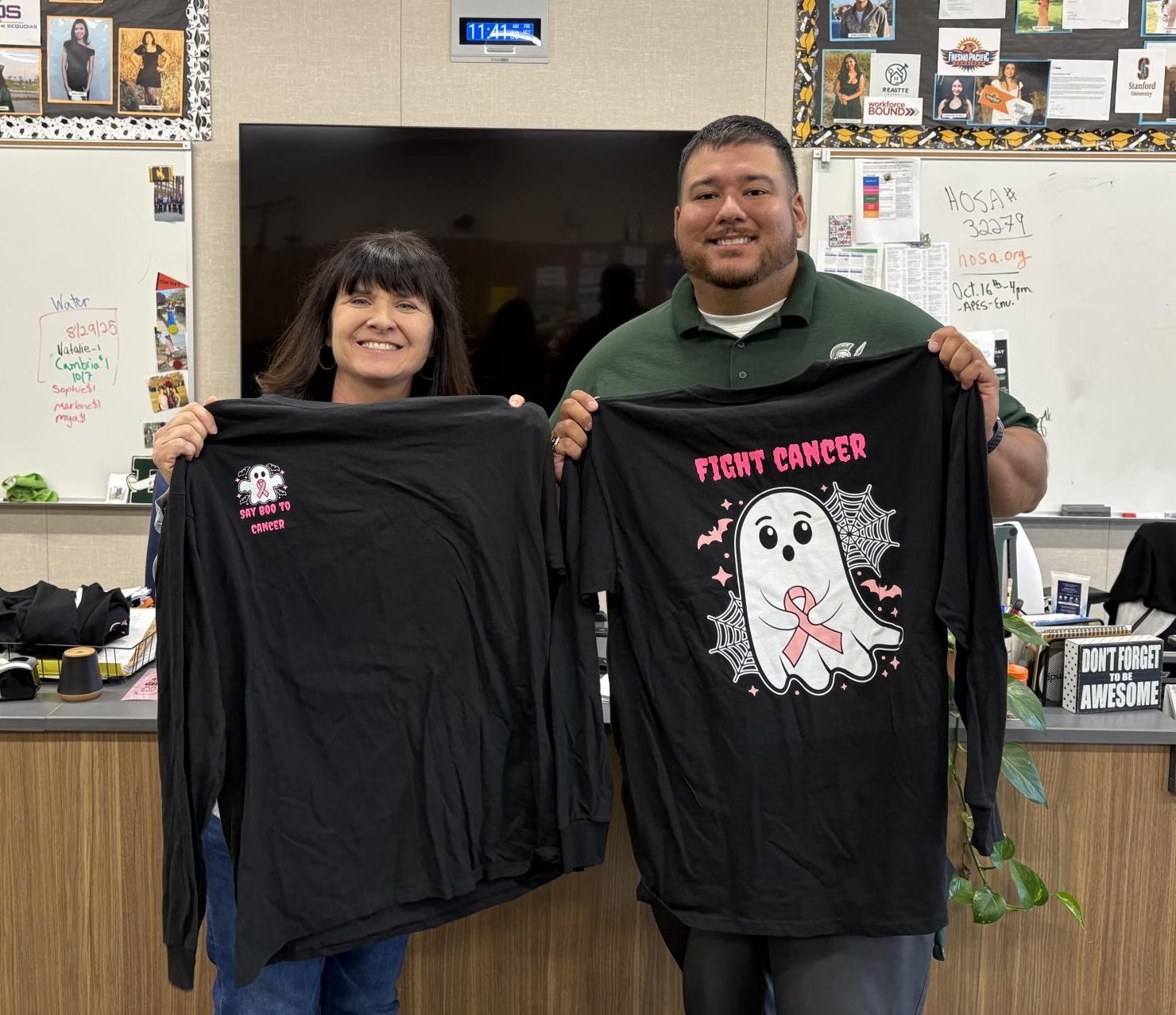
Each October, HOSA students turn their passion for healthcare into action by spreading awareness for breast cancer. From selling specially designed t-shirts to decorating the football stadium for the annual “Pink Out” game, the students continue a tradition that has brought both the school and the community together since 2010.
According to HOSA advisors Tonya Pennebaker and Vincent Delgado, the project began over a decade ago when a group of medical students wanted to honor a classmate’s family member battling breast cancer. What started as a small campaign has grown into one of the school’s biggest spirit events of the year.
Each fall, HOSA students take the lead in planning every detail of the event, from hosting a t-shirt design contest to organizing after-school workdays to paint posters and decorate the stadium. HOSA students and staff choose the winning t-shirt design, and one dollar from every sale is donated to support breast cancer care. This year’s winning design was created by sophomore Veronica Gongora, with proceeds going to the Marjorie E. Radin Breast Care Center in Fresno, which provides mammograms for uninsured patients.
“The best part is knowing our students are making a difference right here in our community,” said Delgado. “It shows that even small efforts can have a big impact.”
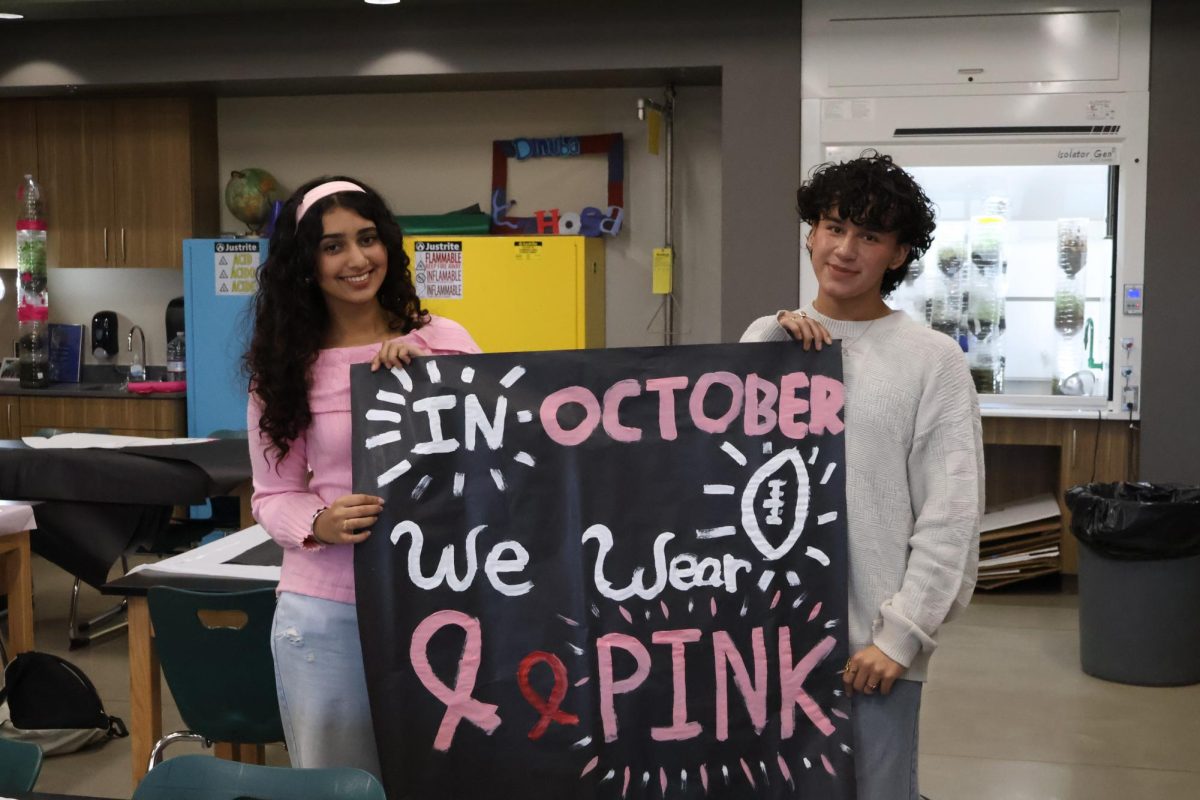
Pennebaker, who has helped guide the program since it began, said the event has become much more than just wearing pink. “One in eight women will get breast cancer,” she shared. “Over the years, all of us have known someone affected by it. That makes this even more meaningful.”
For some staff members, that meaning is deeply personal. English teacher Janice Hoy was just 26 years old and a new teacher when she lost her mother, Vicki Harms, to breast cancer.
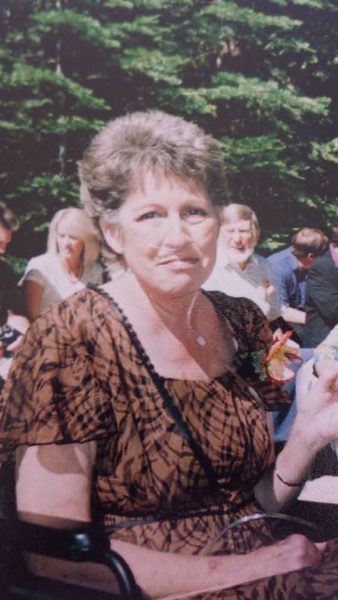
Her mother’s diagnosis came suddenly, requiring immediate treatment such as a mastectomy, chemotherapy, and radiation. Hoy not only became a caregiver for her mother but also witnessed how cancer affected her family emotionally, physically, and mentally.
“It definitely put some stress on our family, and it hurts,” Hoy said.
Hoy described giving her mother injections and helping her through some of the hardest days of her illness. Despite the challenges, she said those moments were some of the most meaningful of her life. “When I think about my mom, I think about all the wonderful things that we shared. Some of the times that I spent with her when she had cancer and when she was in the hospital were some of the best times because they were the most real,” Hoy shared.
For Hoy, awareness events like “Pink Out” are more than just spirit days; they’re life-saving conversations. “The more we make it a normal thing to talk about, the better it’s going to be,” said Hoy. She believes these events help students understand the importance of early detection and break the silence around serious illnesses.
Hoy explained that while not everyone can relate to losing someone to cancer, everyone can show support. “If you don’t know what to say, just be there. Your presence is going to show you care,” she advised.
She also shared that one of her mother’s biggest fears was being left alone in the hospital, which encouraged her to visit her mom every chance she got until the very end. “Death is hard, but going through it by yourself is even harder,” Hoy said. “So be there for those people, even if you’re scared about it.”
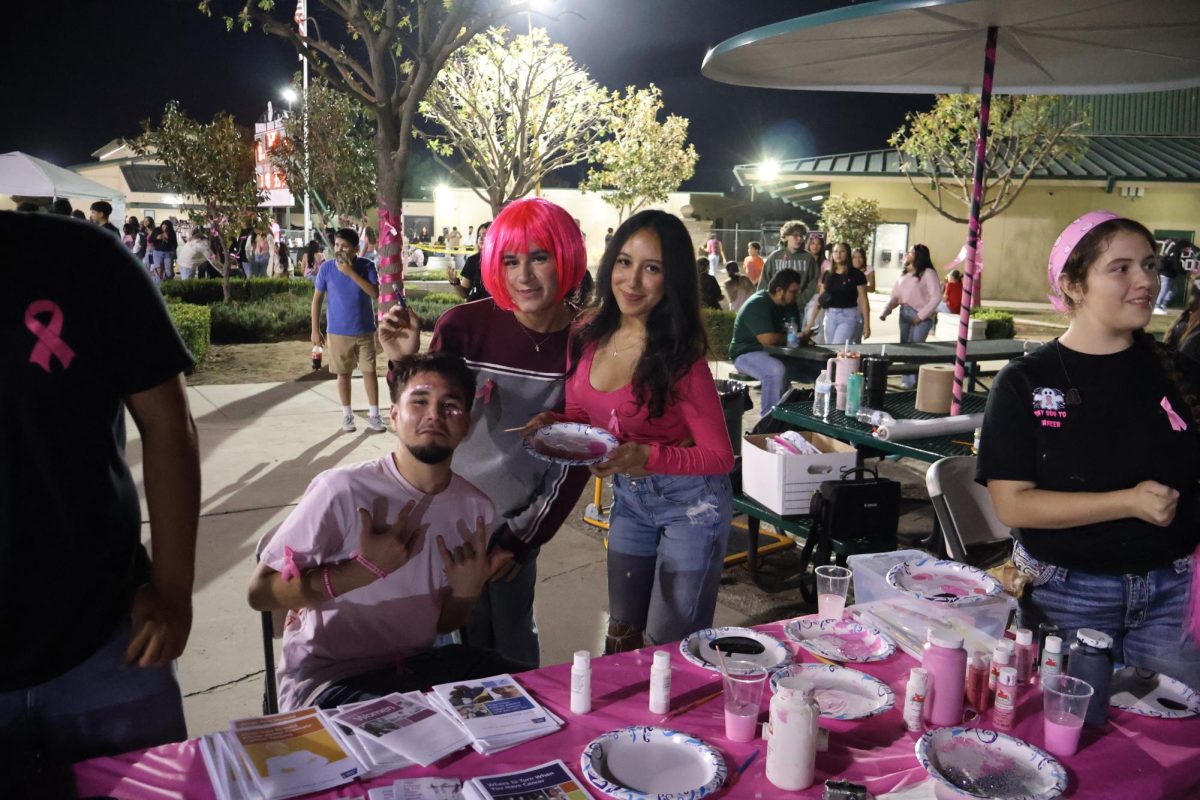
The “Pink Out” football game itself is filled with pink ribbons, balloons, and signs that cover the stands, along with face painting and plenty of school spirit. Funds not used for donations help cover decorations, with HOSA students budgeting and organizing all supplies themselves. For many, the event represents not only awareness but also unity and hope. “It’s just one big team working together,” said Delgado. “We want people to know they’re not alone in this fight.”
This campaign helps future healthcare students connect their learning with compassion. “It teaches empathy and responsibility,” said Pennebaker. “These are skills they’ll carry into their future careers.”
It may seem like HOSA’s efforts to decorate, sell shirts, and raise money are small things, but for people like Mrs. Hoy, they’re reminders that awareness has a real impact.
“A lot of times people run away from hurt, they run away from pain, but showing up, that’s what really matters,” Hoy said.
![The new leadership at Dinuba Intermediate School (from left to right): Jessica Juarez (soon to be Jessica Chavez) - Learning Director, Rosa Carreon - Counselor, Hilda Osorio - Counselor, Gloria Valencia - Principal, and Micah Hiett - Learning Director. [Photo courtesy of Gloria Valencia]](https://emperorgrapevine.com/wp-content/uploads/2026/05/682710295_18557787079066828_5882969838312812831_n-900x1200.jpg)


