
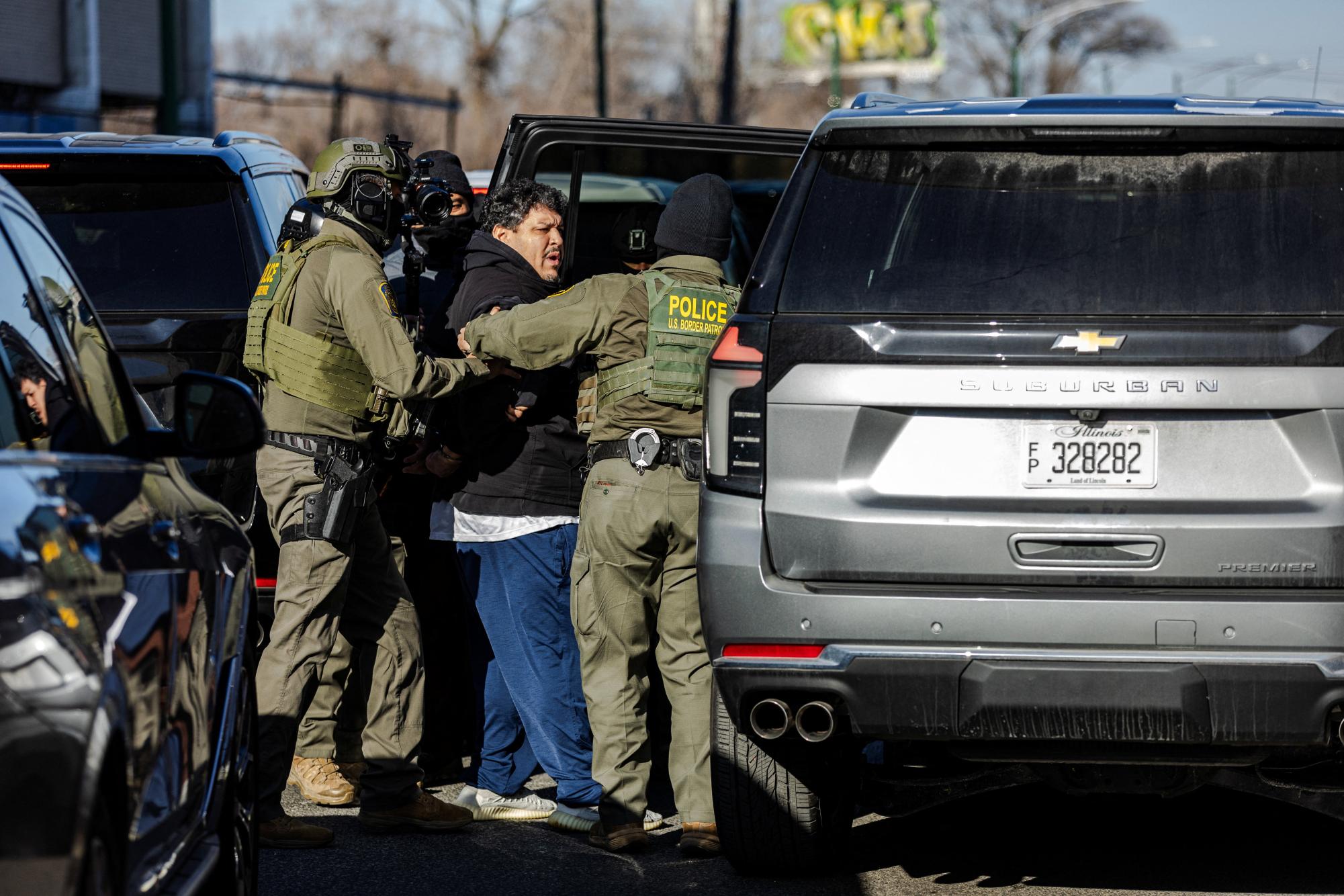

Over the past year, U.S. immigration policy has become increasingly complex and, for many families, frightening. Higher fees for asylum, aggressive ICE raids (U.S. Immigration and Customs Enforcement), protests, and expanded enforcement measures have left people living in constant uncertainty. Children have skipped school, parents have avoided public spaces, and families worry about what a single encounter with federal authorities could mean: deportation.
In 2025, asylum applications required an initial fee of $100, annual fees for pending cases, and a $550 employment authorization fee every 6 months. Over 500,000 migrants lost legal status, and DACA recipients faced heightened enforcement risks. Laws like the Dignity Act proposed pathways to legal status, but the fines and requirements made it clear that navigating the system would be complicated. For families, this wasnt just paperwork; it was the daily stress of fear.
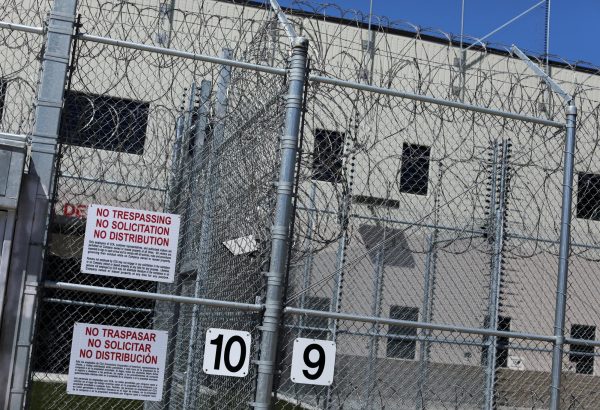
ICE and DHS (Department of Homeland Security) raids targeted not only undocumented immigrants but also long-term residents, U.S. citizens, and even military veterans. Over 31 people died in ICE custody during 2025, and many were wrongfully detained or deported to countries they had never lived in. Families reported fear and trauma from these encounters. Officials argue that these measures are necessary to uphold immigration law and ensure the country’s safety.
Immigration enforcement sparked large protests across America, drawing hundreds to thousands of people in cities like Los Angeles, Minneapolis, New York, Chicago, and Fresno. In Los Angeles, the protests lasted days, even weeks. This prompted city officials to impose a curfew in parts of downtown as crowds continued to gather late into the evening.
Hundreds of people gathered in Santa Ana to protest ICE and the killing of Renée Good. While most protesters remained peaceful, tensions rose near a federal building. During the demonstration, a man was permanently blinded in one eye after being struck at close range by a projectile fired by a federal officer.
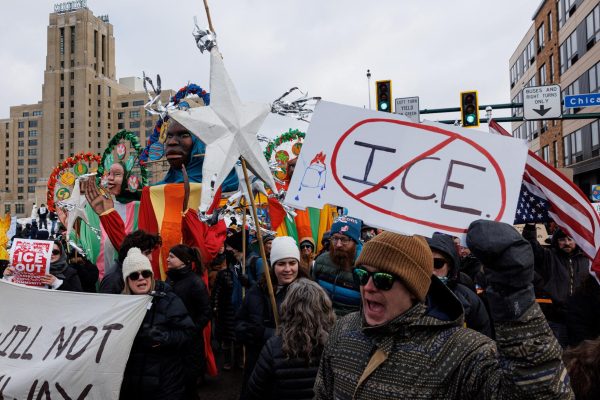
Federal agencies, including ICE, responded with various tactics to calm down the protest. Tear gas, pepper spray, flashbangs, and arrests were all used. Advocacy groups reported that some may have targeted peaceful protesters, journalists, and bystanders, raising concerns about unnecessary force. Authorities said the actions were meant to maintain public safety, while protesters argued that this just raised tensions between communities and ICE.
One of the most alarming developments of 2025 was the opening of Alligator Alcatraz, a detention center in the Florida Everglades. Built in just over a week, thousands were housed in tents and temporary structures. Reports described overcrowding, unsanitary conditions, worms in food, mosquitoes, and limited access to legal counsel or medical care. While officials state that the facility was in good condition and intended to process migrants efficiently while maintaining public safety.
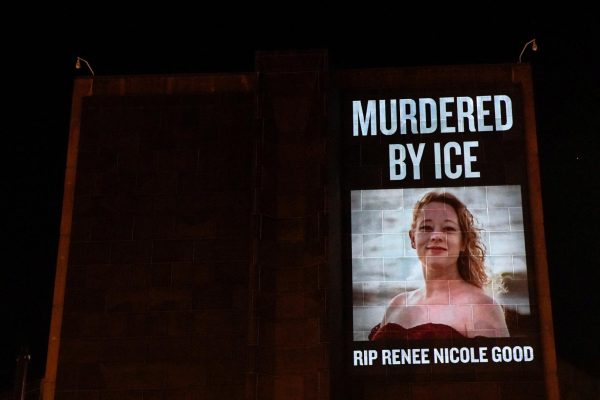
The start of 2026 has only heightened concern. On January 7, ICE agents fatally shot Renée Nicole Good, a 37-year-old mother of three in Minneapolis, during one of the largest federal operations in the city. Officials claimed self-defense, but eyewitnesses and local leaders disagreed. The next day, federal agents shot and injured two people in Portland, Oregon. Candlelight vigils, protests, and calls for justice followed nationwide. Communities demanded accountability and recognition that these are human lives, not just immigration cases. As public opinion shifts and the nation heads towards the next election, the outcome of these policies remains uncertain, and many raise questions about the future of immigrant rights in America.
Federal courts have occasionally acted as a check. On January 9, 2026, a judge blocked a plan to end temporary legal status for roughly 10,000–12,000 Latin American migrants, including people from Haiti, El Salvador, and Cuba. Even as enforcement grows, these rulings show that legal oversight remains essential.
As U.S. immigration continues to evolve, the increasing threat faced by families can’t be overlooked. With shifting public awareness and advocacy for immigrant rights, it is important for people to be educated about what is happening. The events of 2025 and the start of 2026 show how U.S. immigration counter-measures create fear and hardship for families. As enforcement efforts continue this year, public awareness and advocacy are important parts of protecting immigrants’ rights and human lives.
![The new leadership at Dinuba Intermediate School (from left to right): Jessica Juarez (soon to be Jessica Chavez) - Learning Director, Rosa Carreon - Counselor, Hilda Osorio - Counselor, Gloria Valencia - Principal, and Micah Hiett - Learning Director. [Photo courtesy of Gloria Valencia]](https://emperorgrapevine.com/wp-content/uploads/2026/05/682710295_18557787079066828_5882969838312812831_n-900x1200.jpg)


