![The new leadership at Dinuba Intermediate School (from left to right): Jessica Juarez (soon to be Jessica Chavez) - Learning Director, Rosa Carreon - Counselor, Hilda Osorio - Counselor, Gloria Valencia - Principal, and Micah Hiett - Learning Director. [Photo courtesy of Gloria Valencia]](https://emperorgrapevine.com/wp-content/uploads/2026/05/682710295_18557787079066828_5882969838312812831_n-900x1200.jpg)


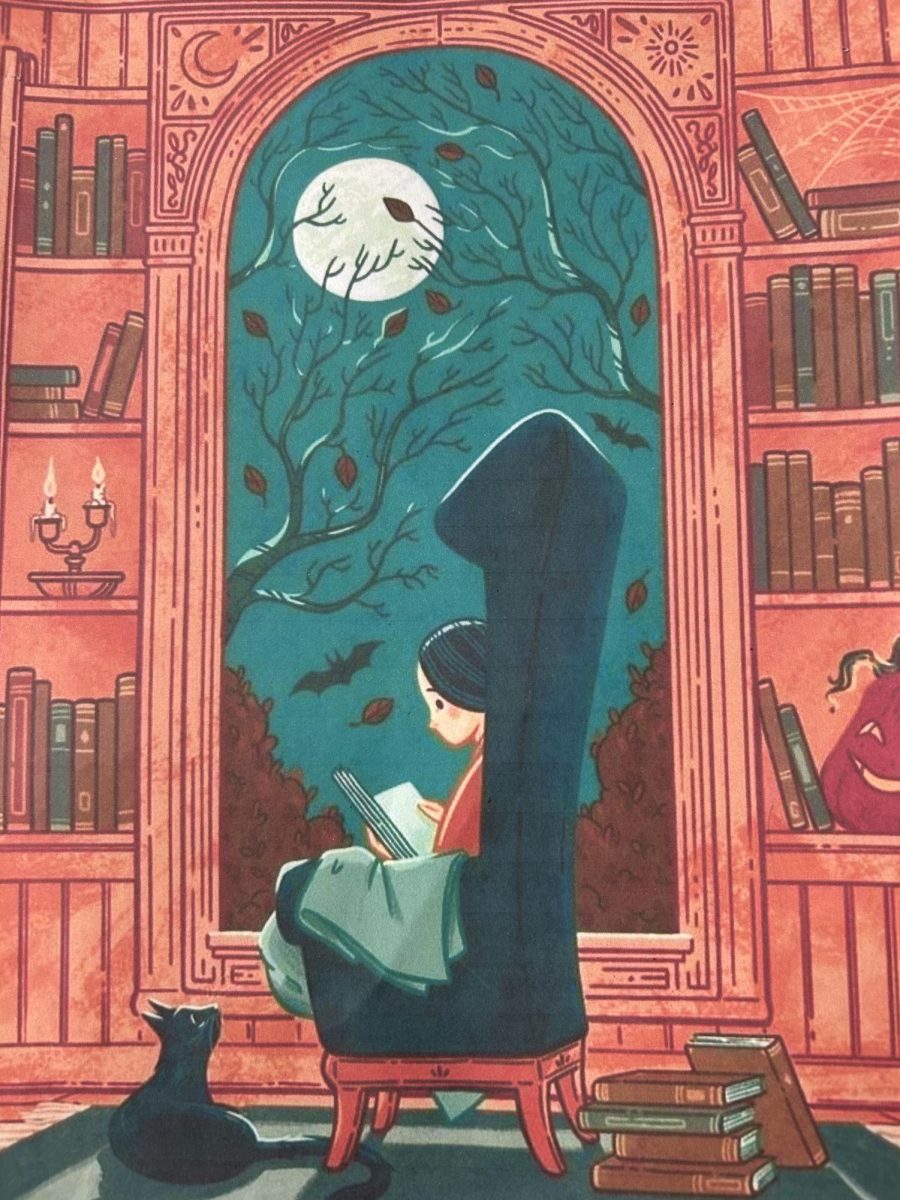
Thanksgiving, the holiday widely recognized for fostering gratitude. Many families across the country come together on this special day. Traditionally, a big feast is thrown, with the main dish being turkey. But where does this holiday originate from? Many might say the holiday comes from the Pilgrims and Native Americans who gathered to have a big feast to promote peace. However, there is a portion of Americans who rebel against this celebration, claiming that it incites the stripping of the Indigenous people in this country.
Let’s take it back to 1620, when the Plymouth colonists arrived in America. The Plymouth landed in Massachusetts, where they encountered the Wampanoag Native American tribe. The Plymouth colonists settled in and learned from the Wampanoag’s ways. They were taught to cultivate crops such as corn, beans, and squash.
In March 1621, the pilgrims and the Wampanoag became allies by signing a treaty of mutual protection, making this treaty the first treaty between the pilgrims (English Settlers) and Native Americans. The treaty was signed by the Wampanoag leader Ousamequin and the settler leader John Carver. Both groups felt it was necessary to make the treaty happen to ensure protection in case outsiders decided to attack. Hence, a celebration was needed. Both parties, coming together, celebrated a three-day feast. This is now known as the first-ever Thanksgiving.
After over 50 years of alliance, tensions arose between the two groups. The Wampanoag felt pressured as the colonists pushed their ideologies onto them. After conflict over land and broken treaties, the Native American tribe´s final straw was the execution of three Wampanoag men by the colonists. This led to a bloody bath, the King Philip’s War, where thousands of Native Americans died. This resulted in the loss of their land.
The relationship between the Pilgrims and Native Americans was permanently damaged. Violence towards Native Americans continued for many years, even after the United States was established. One prominent example is the Indian Removal Act, also known as the Trail of Tears, where Native Americans were forced out of their homes and moved to distant reservations, resulting in thousands of deaths and other hardships. Their lives were forever impacted.
Some see the celebration of Thanksgiving as insensitive. Others believe that the holiday has become gentrified, making light of the bloody betrayal. It is important to acknowledge that the traditional story omits a key historical event. The holiday cannot be separated from the painful treatment that Native Americans endured, especially if it has a historical influence. Nonetheless, the true nature of the holiday does not stop people from getting together and having a feast. This brings the question of whether celebrating Thanksgiving is ethical. What do you think?